






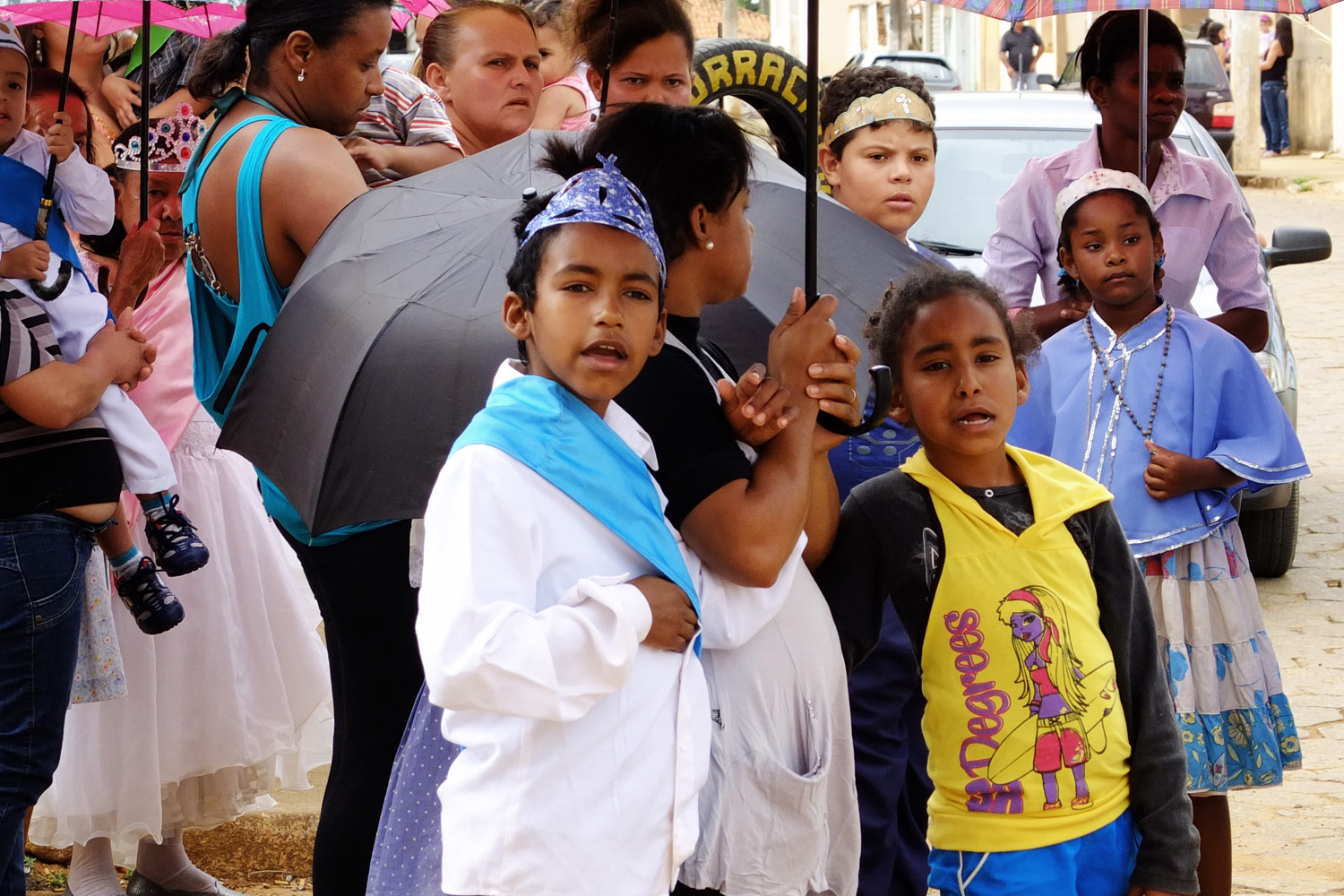

Congada
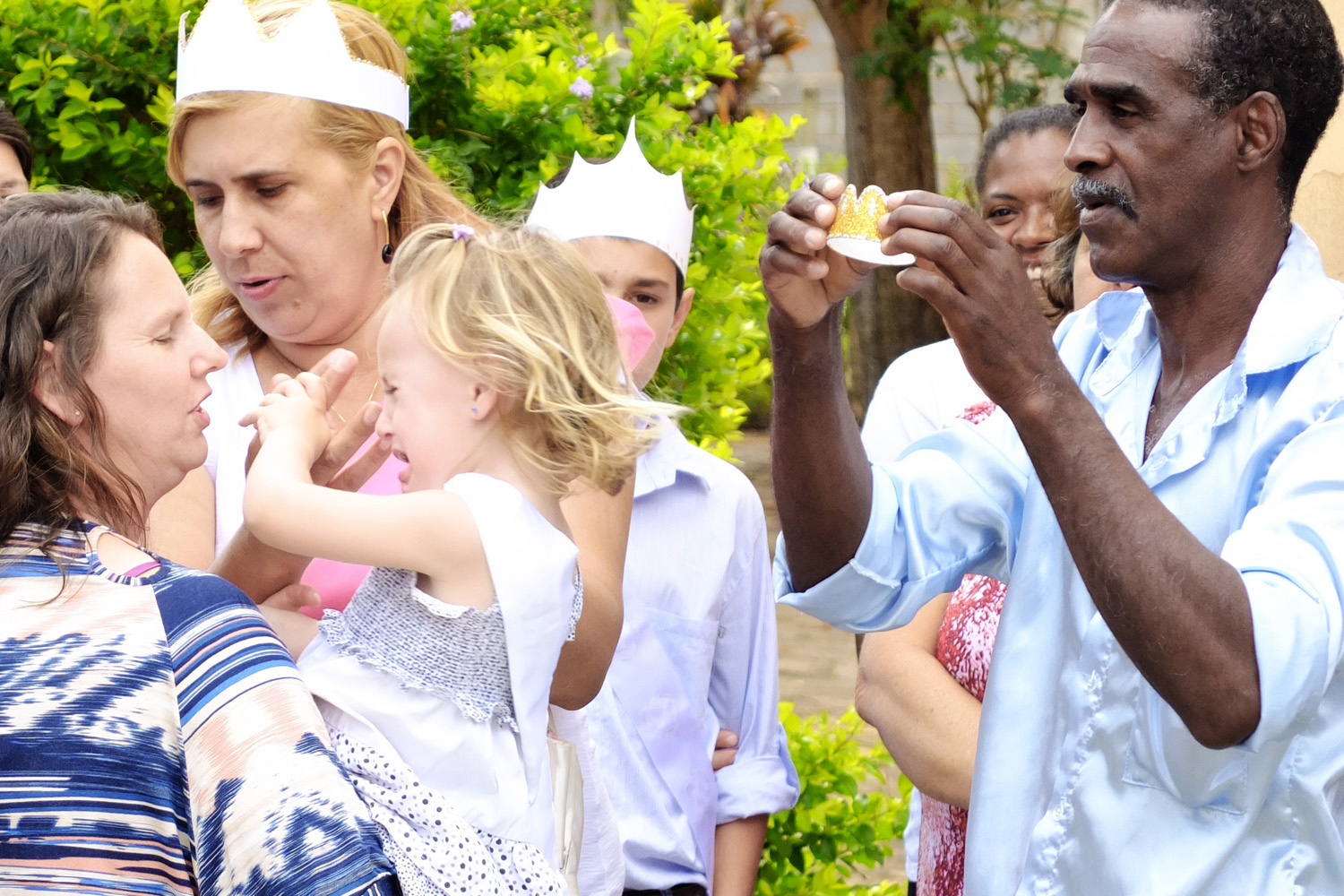
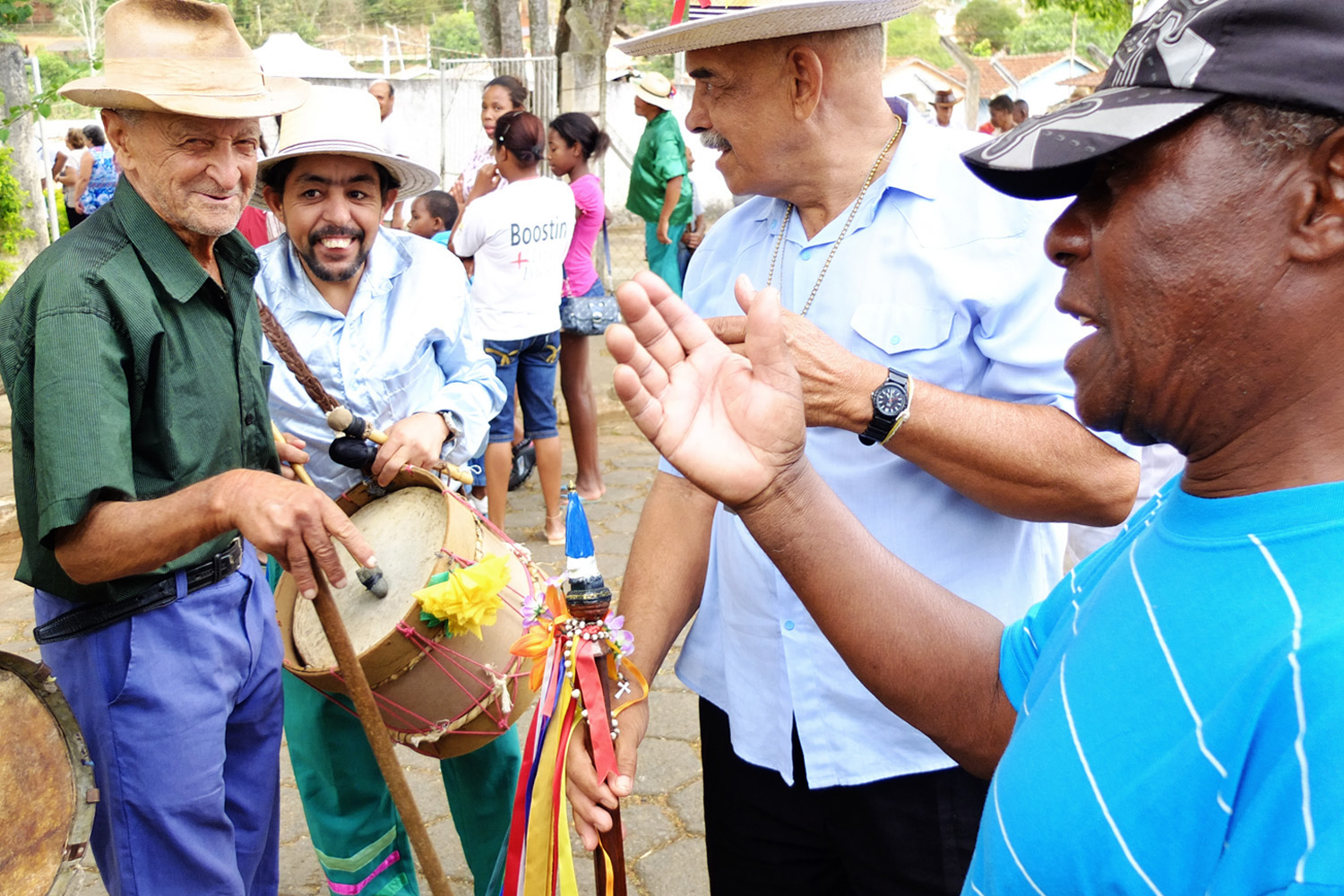
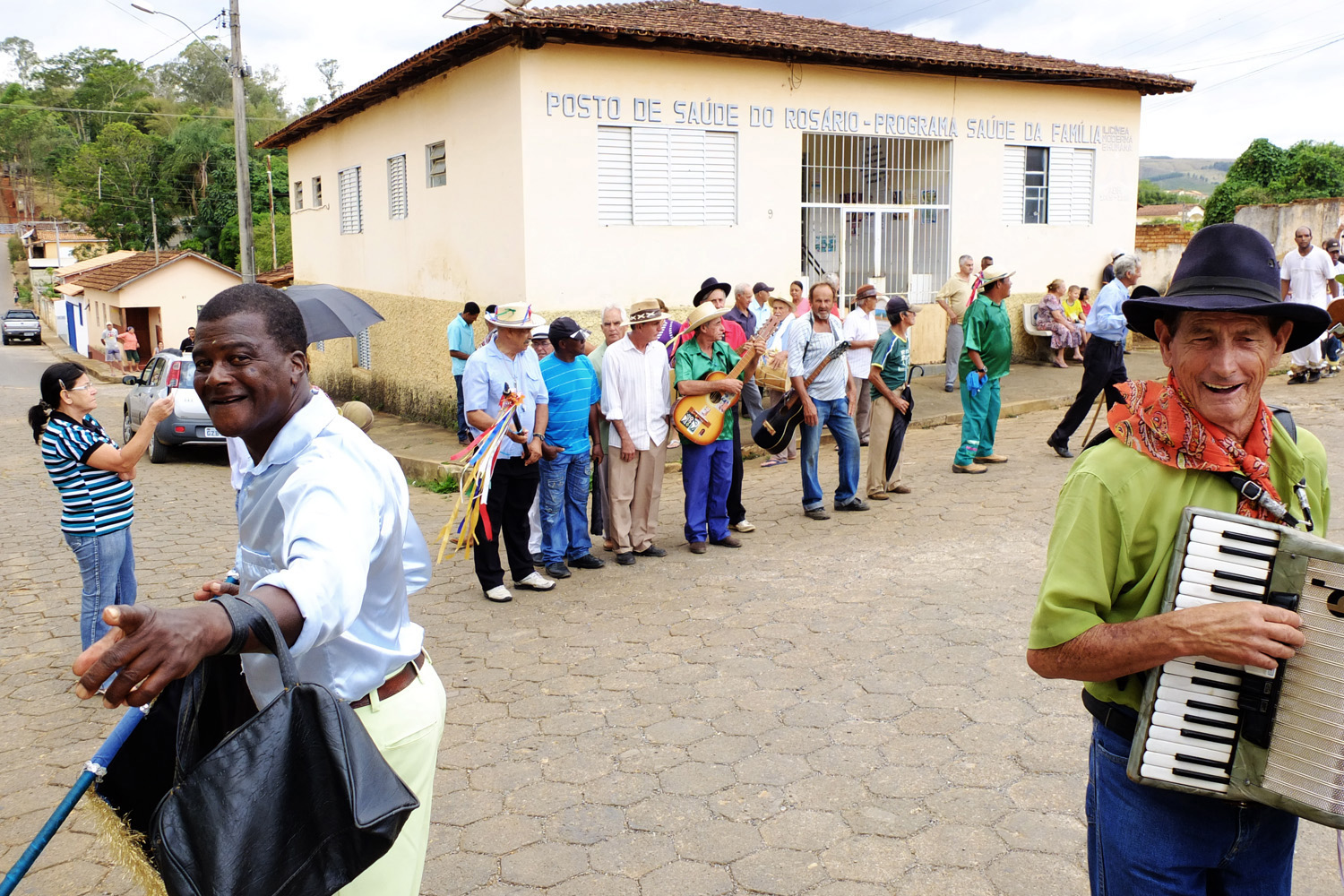
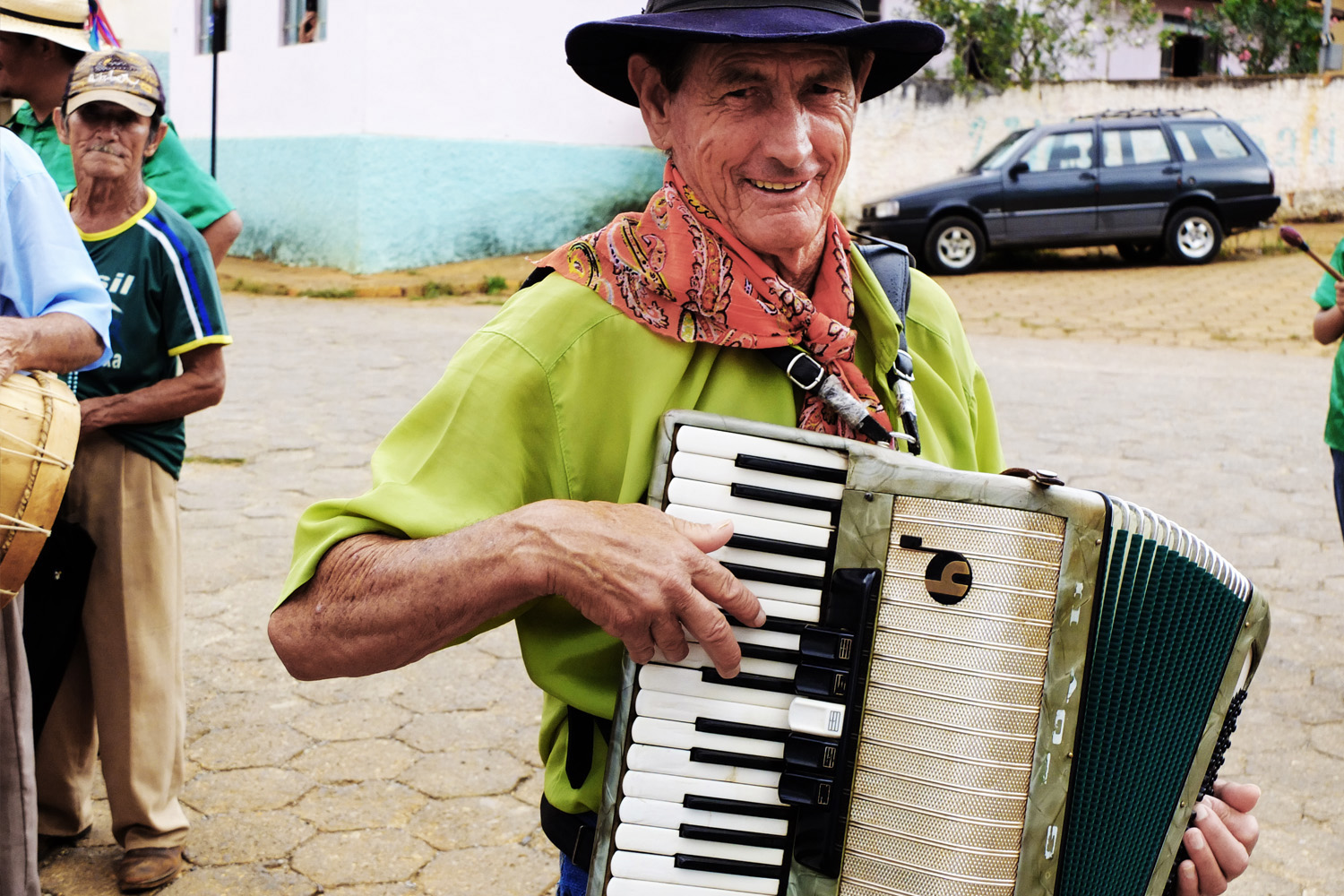
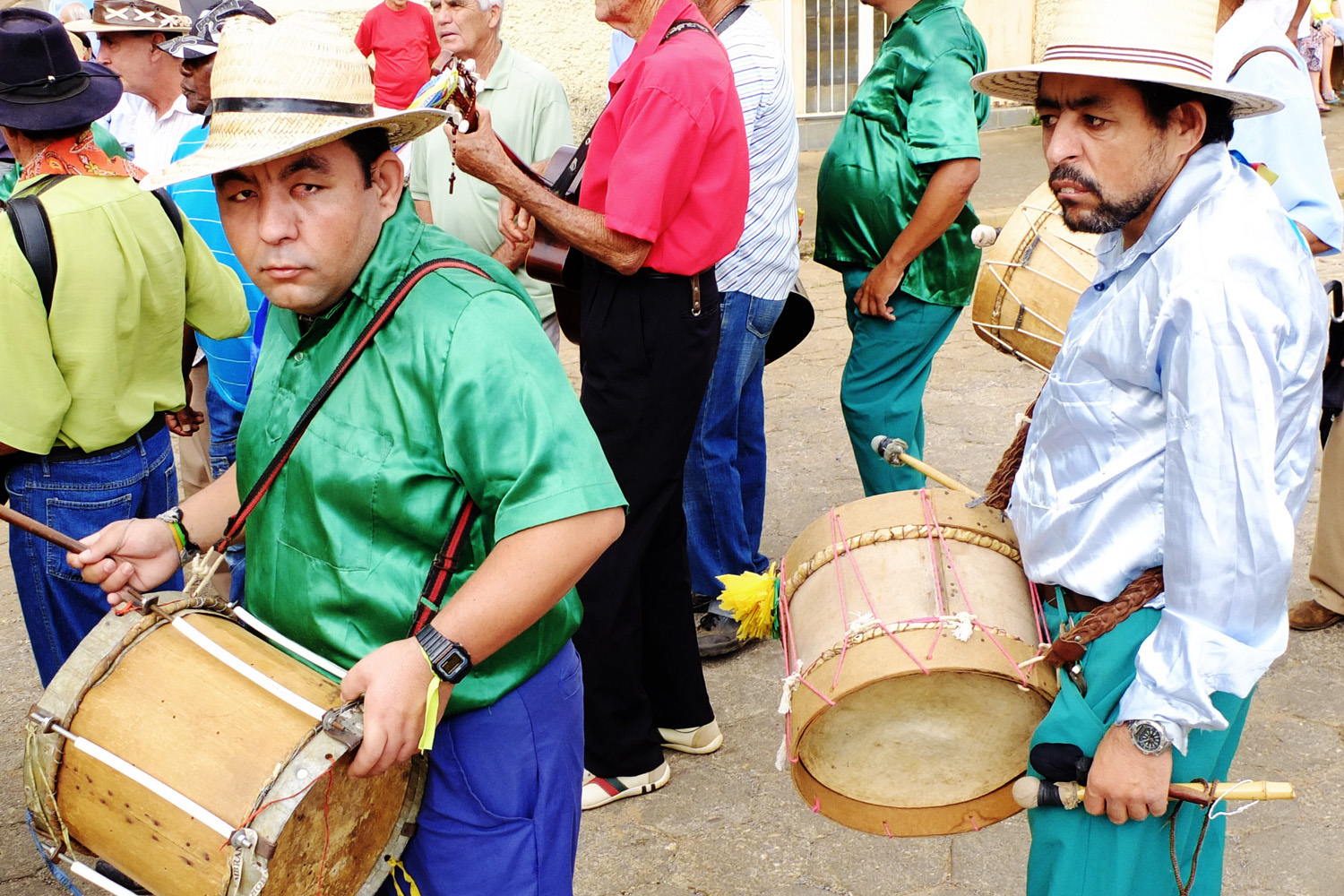
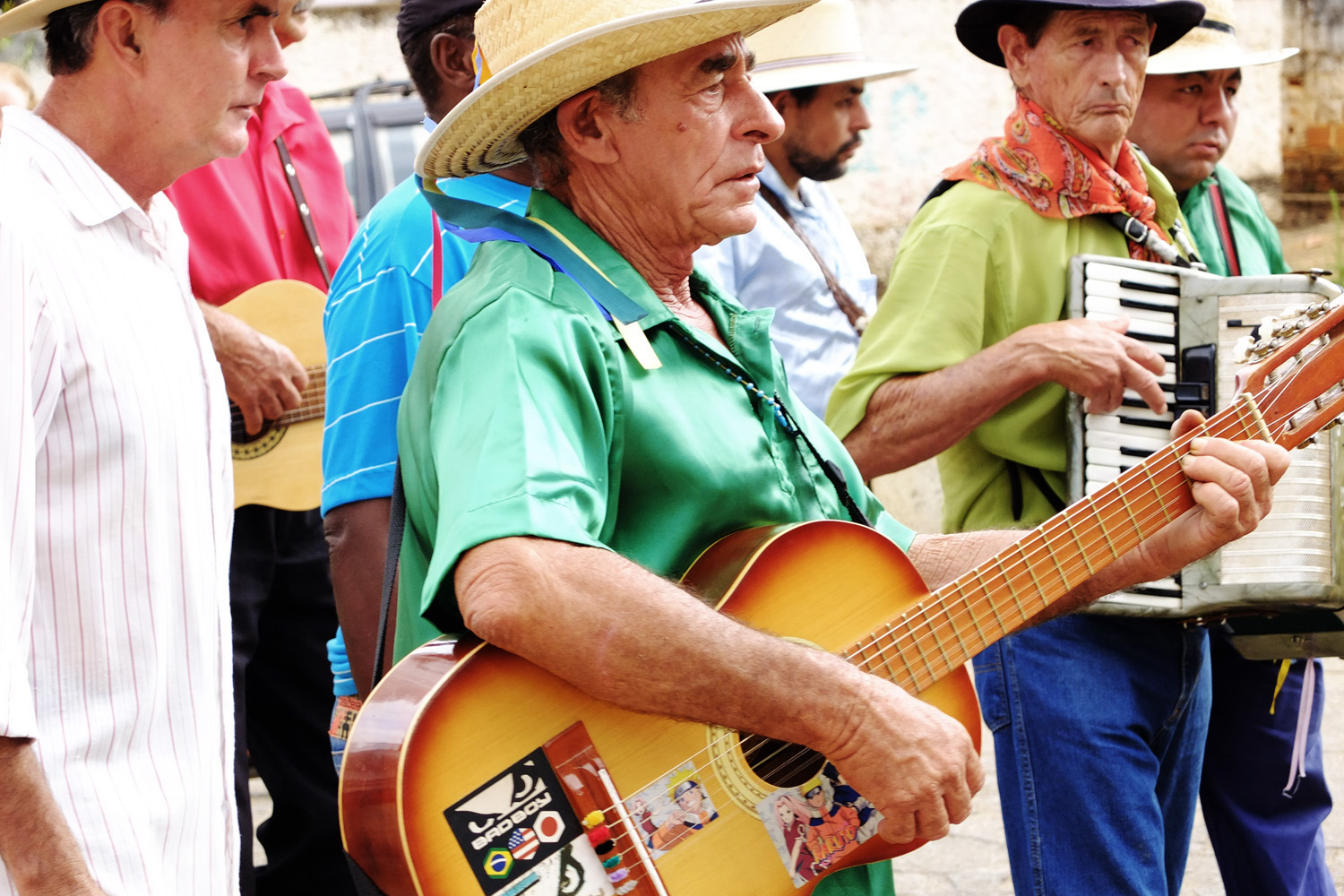
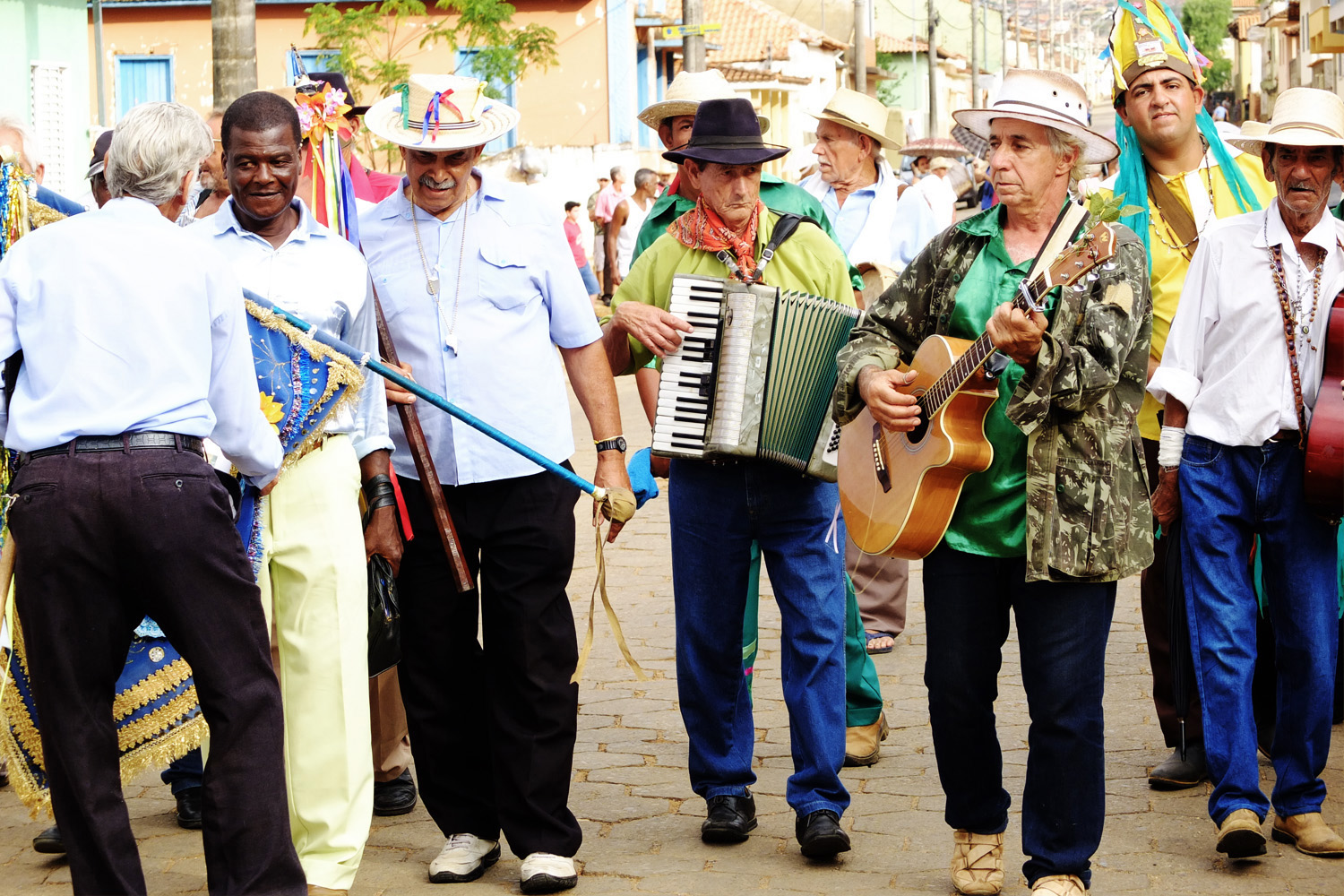
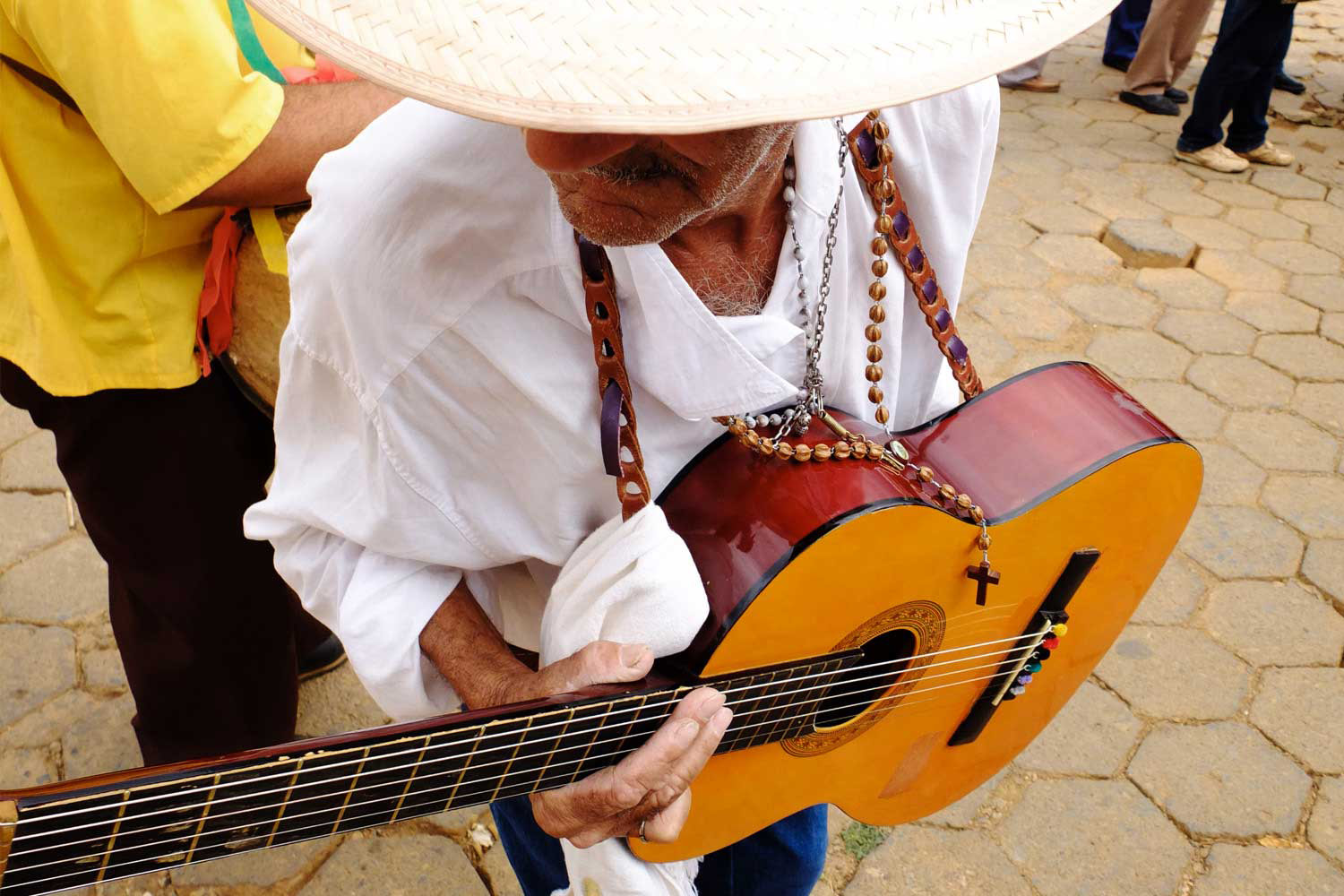
I made this reportage in Ilicínea, a small town in the southern region of Minas Gerais, Brazil. It tells of the traditional feast of Our Lady of the Rosary and Saint Benedict in the Rosário district of Ilicínea, every year in October, with the dance of the Congo and Mozambique. Featuring African dances, the Congada fuses religious and historical elements, enduring over time and handed down from generation to generation, accompanied by caiçara, a drink made with cachaça, sugar, cinnamon and crushed cloves. The festival starts on Friday with the raising of the litter of the Lady in front of the church, with church bells and fireworks. Besides references to the war between Moors and Christians, the event shows the lack of understanding between the two groups who wish to honor St. Benedict. Ambassadors of Moors and Pagans, with their Congos, declare war on the Christian king. The dance is marked by the rhythms of marimba and drums, and by the beauty of the dances performed with the virtuosity of the congueiros, showing skill with swords and verses in praise of the king and spoken before the saint. The narrative, full of lyricism in the words and melodies, sounds like a prayer, a praise and sometimes a lament, also addressed to the Virgin Mary and Jesus. On Saturday the gentlemen, led by the king and queen, head to the church to fetch the litter of St. Benedict and lead it through the streets in procession from the center, making a half-moon and singing. They are accompanied by the Congos, the lower class. Then the first dance begins, with a song called Macambá, the Congos preparing for war. The second dance is characterized by intense rhythmic instruments to mark the height of the conflict. On Sunday, the third and final part, a character is identified as the missing son of the king.