






Jamaican vibes
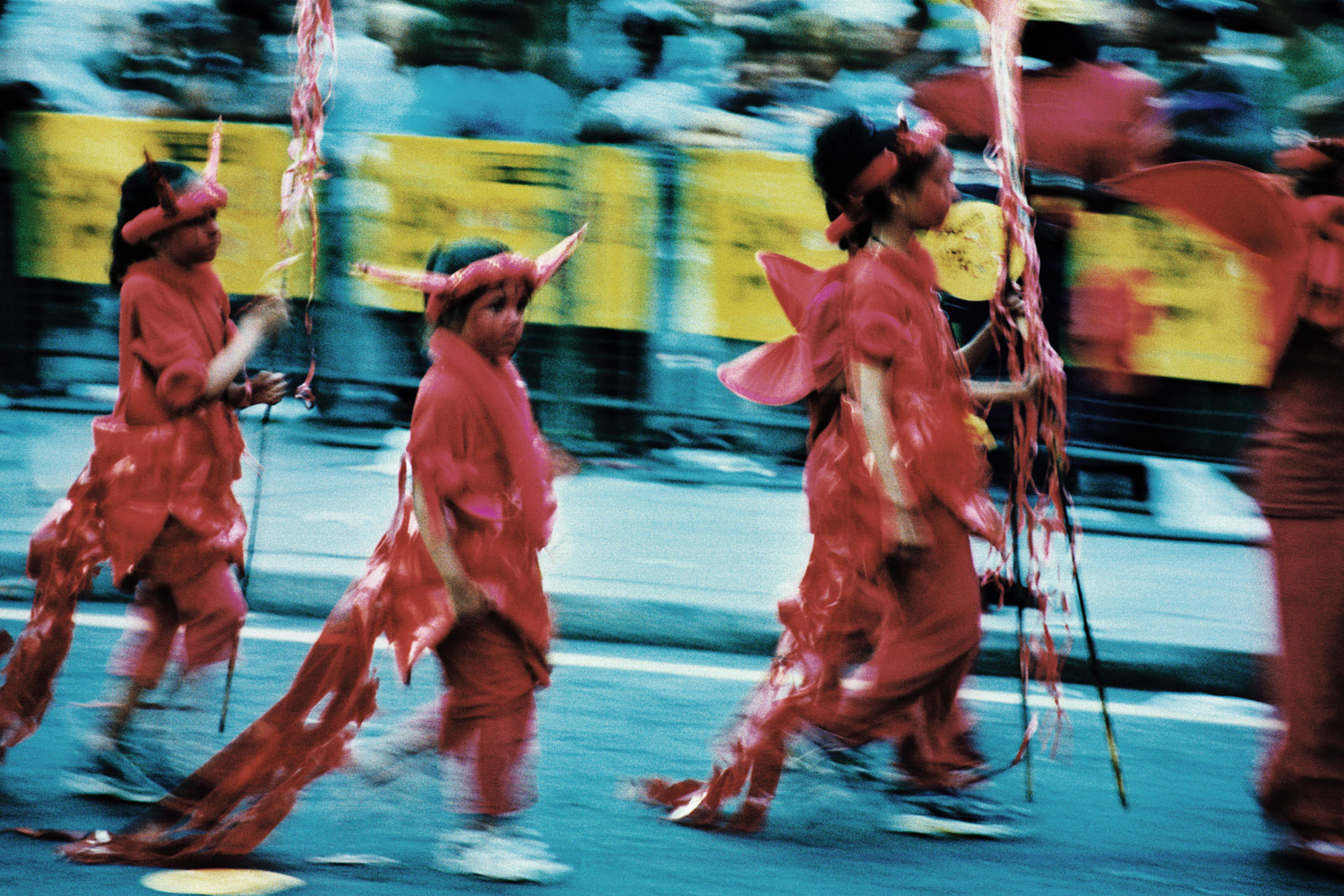
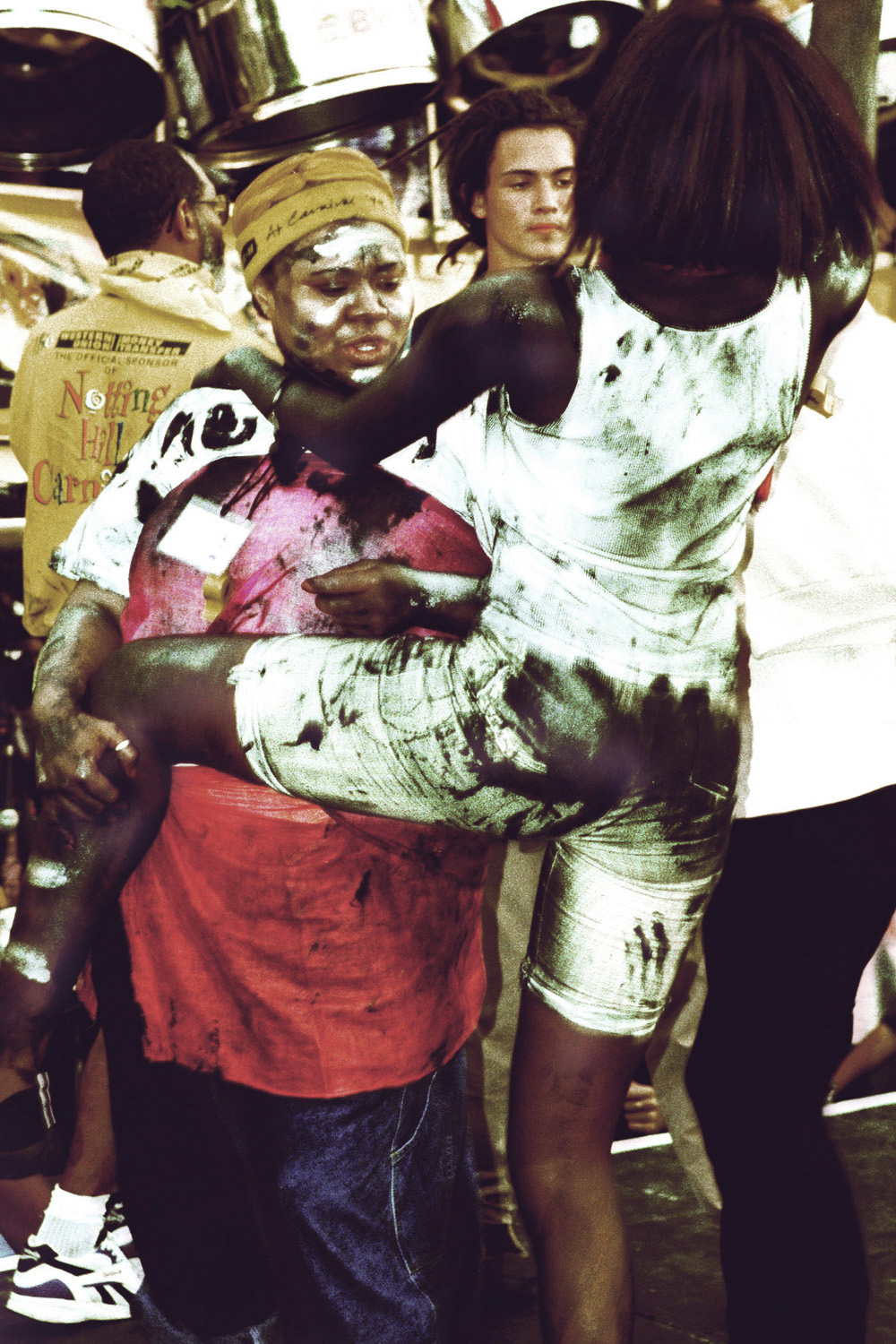
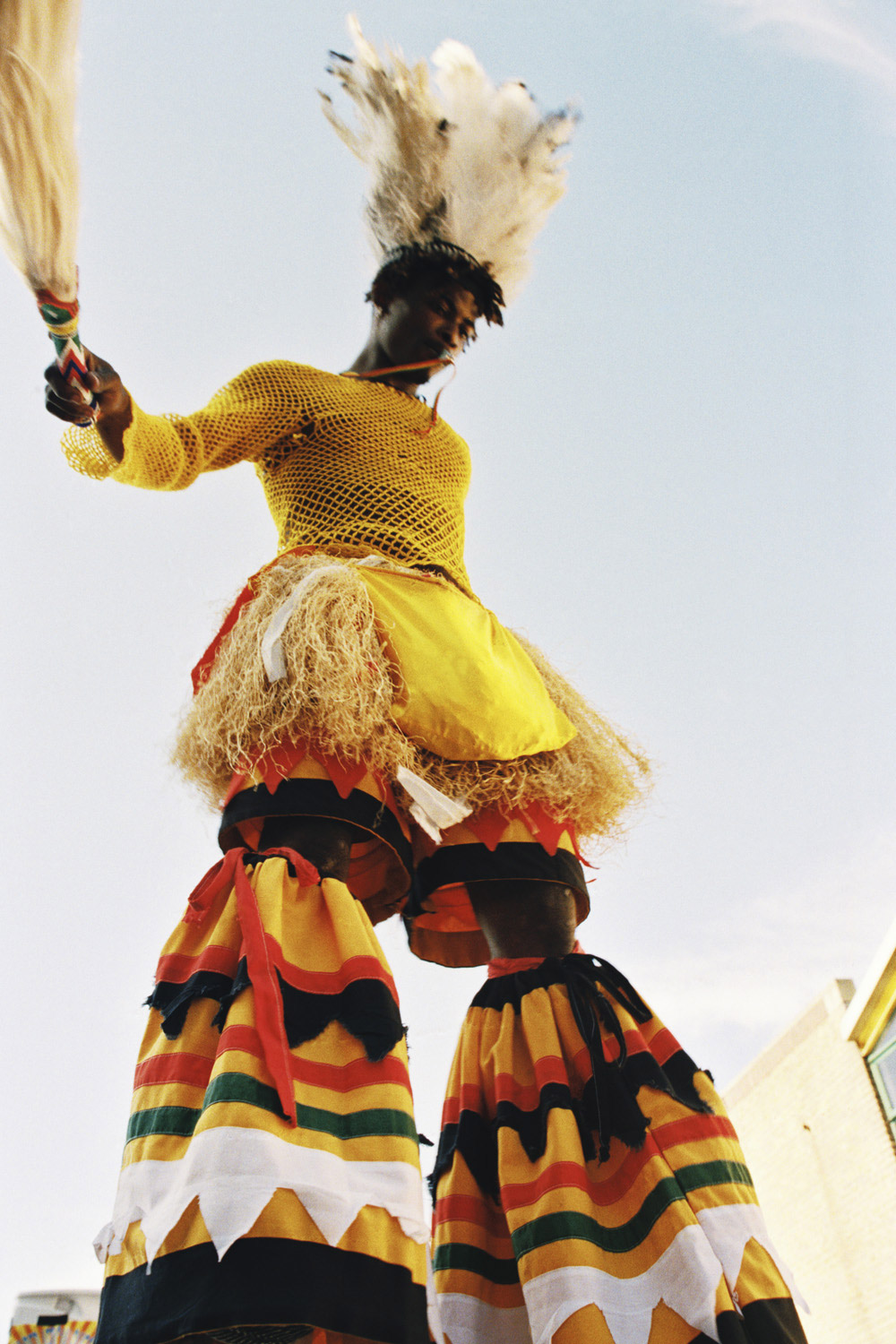
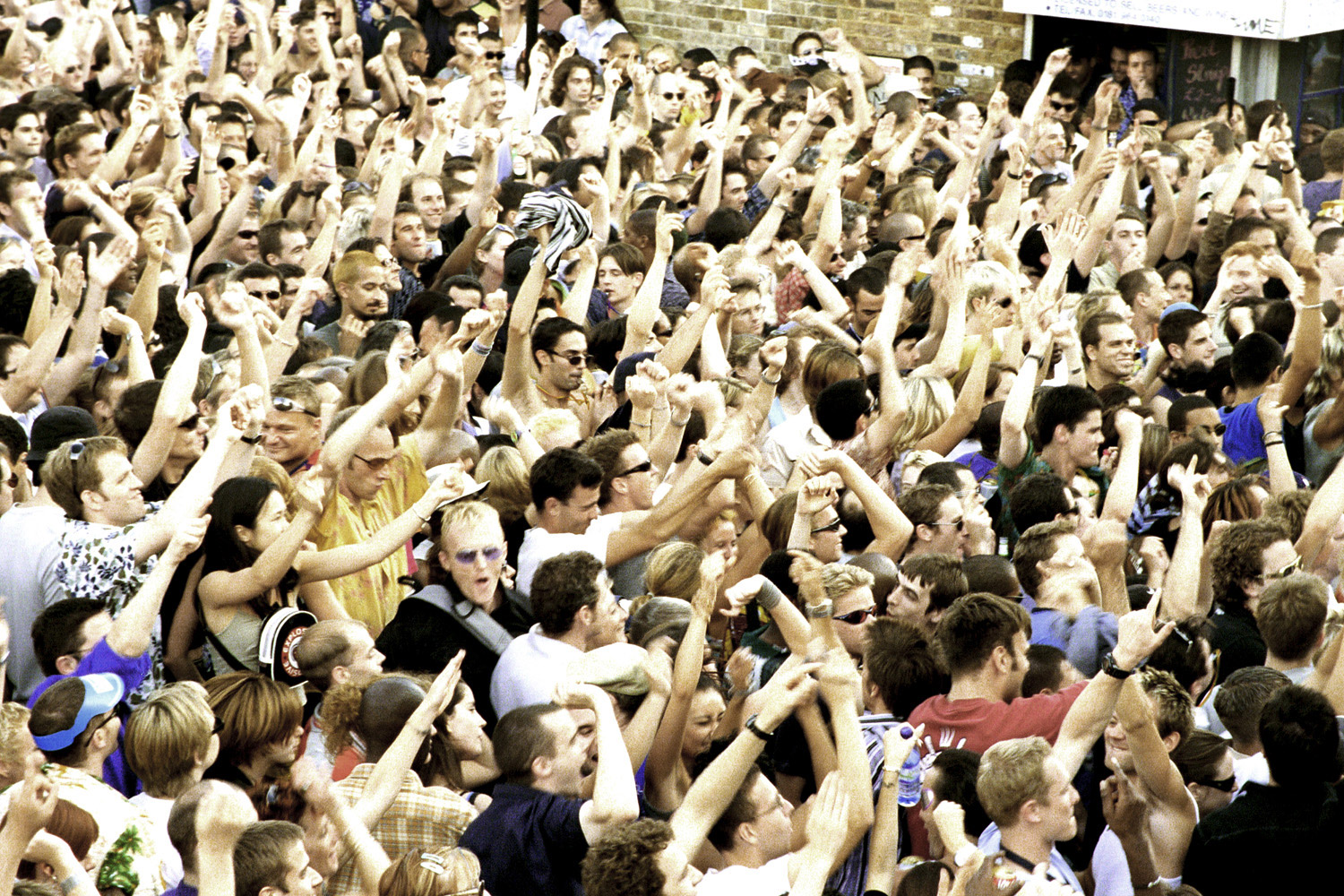
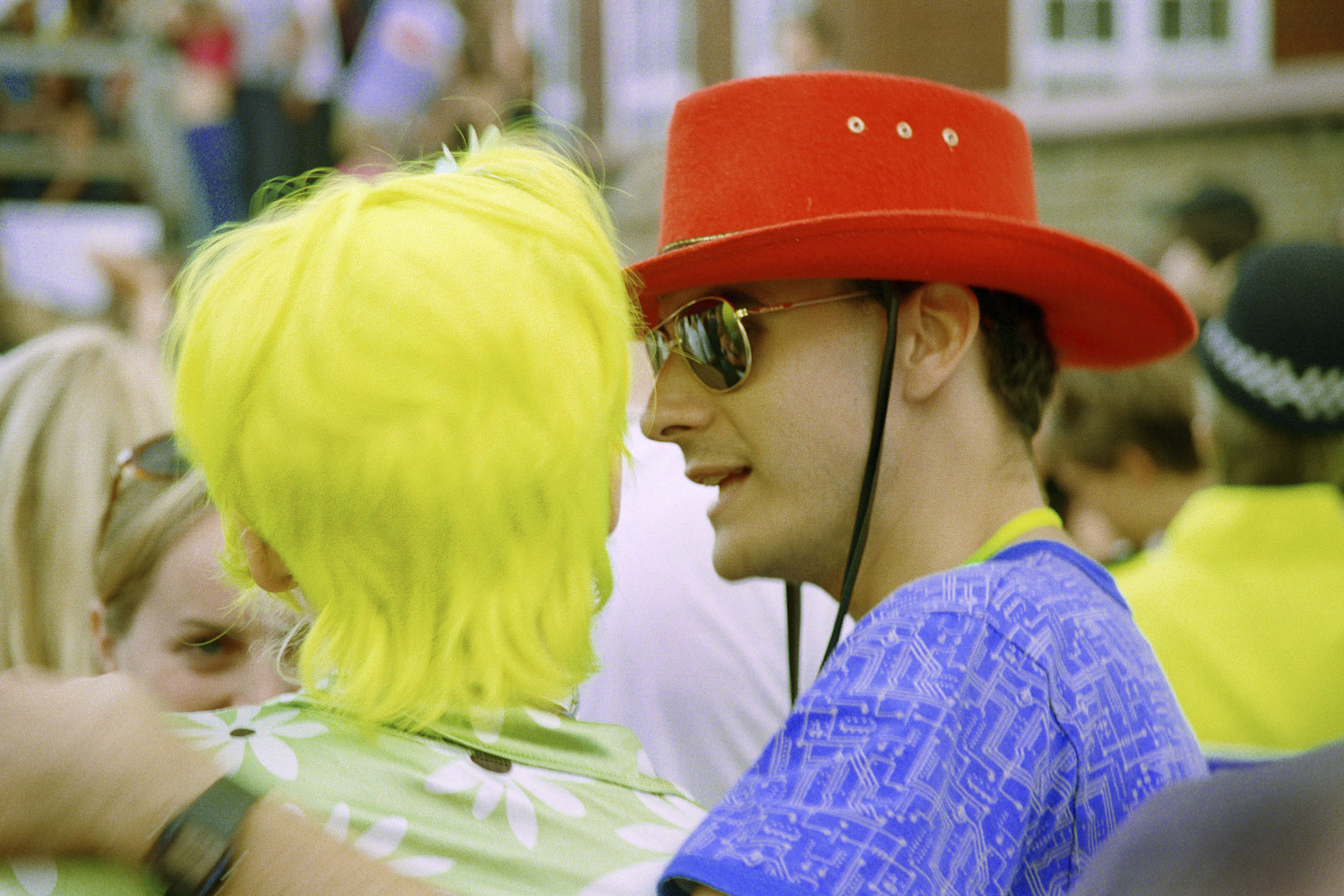
I was in London and I had the pleasure of taking part in one of the biggest events, the Notting Hill Carnival. Every year the streets of West London come alive with the sounds and smells of Europe’s biggest street festival. Twenty miles of vibrant, colourful costumes surround over 40 static sound systems, hundreds of Caribbean food stalls, over 40,000 volunteers and over 1 million Notting Hill Carnival revellers. Starting its life as a local festival set up by the West Indian community of the Notting Hill area, it has now become a full-blooded Caribbean carnival, attracting millions of visitors from all over the globe. With many astonishing floats and the sounds of the traditional steel drum bands, scores of massive sound systems, and hundreds of stalls that line the streets of Notting Hill, the Carnival is arguably London’s most exciting annual event. By 1976 it had developed its distinctive Caribbean feel and was attracting upwards of 150,000 people. There were, however, still tensions between the police and the predominantly young Caribbean carnival-goers, which resulted in riots. This was portrayed in a very one-sided way in the press, leading to fears that the Carnival could be cancelled. Thankfully this didn’t happen, and since then it has gone from strength to strength, blossoming into the celebration of cultural diversity that it is today. In recent years it has attracted up to 50,000 performers, 38 sound systems and 2.5 million people over the weekend, making it the second largest street carnival in the world after Rio.